Problem
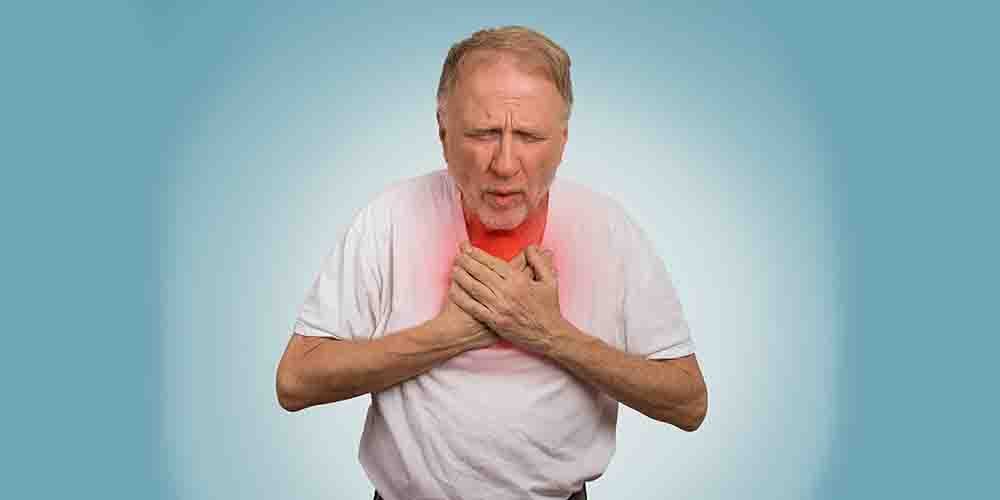
We’re born knowing how to breathe. But over time, many people deviate to other breathing patterns, whether from being self-conscious or forming bad habits when stressed.
Improper breathing slows down the treatment of respiratory diseases.
Respiratory muscles can become tired and accelerate or aggravate respiratory failure. The strength of respiratory muscles is an indicator of the good functionality of the respiratory system. The low functionality of respiratory muscles is associated with several diseases such as chronic obstructive pulmonary disease, cystic fibrosis, and idiopathic pulmonary fibrosis with neurological diseases such as multiple sclerosis, and quality of life in the general population. In addition, respiratory muscle strength (RMS) is related to athletic performance, and a lot of athletes are looking for various techniques to increase the strength of respiratory muscles in order to improve their performance.
When you are stressed, nervous, frightened, worried, or angry, you may notice that your breathing gets low and fast. Your breath will come from higher up in your chest when you are upset. In calmer times, your breathing will be slower and deeper. Your breath will come more from your stomach and underneath your ribs.
You can learn to pay attention to your breathing, and slow it down, making each breath longer and deeper. This is when you’ll begin to feel the calming effects of deep breathing.